 Free Standard Shipping
 Pay Later with Klarna
 30-Day Easy Returns
 Good Housekeeping Award Winner




Some of us only vacuum when it looks like it needs doing. The carpet gets visibly dusty, or there's a patch of something near the sofa, and out comes the machine. The problem with that approach is that dust, pet hair and allergens are building up long before you can see them. By the time the floor looks dirty, your carpet fibres have been gathering dirt for weeks.
The good news is that a proper vacuuming routine takes less time than most people think. Here's what you need to know, room by room. That way, you can decide on the right vacuum cleaner for your home and get ahead of the mess plus, you won't panic when the in-laws are visiting.
How Often Should You Vacuum? The Starting Point for Most Homes
For a household without pets, carpets and high-traffic areas need vacuuming at least once a week. Hard floors can stretch to every 10 to 14 days since debris sits on the surface rather than working its way into fibres. But then you may need to think about getting your mop out, too!
That said, a two-person flat with hard floors and no pets has very different needs to a four-bedroom house with kids, a dog and wall-to-wall carpet. Once a week should be your starting point but keep reading to learn about other key rules to follow.
High-Traffic Areas: Hallways, Kitchens and Living Rooms

Hallways, landings, kitchens and living rooms take the most footfall. Dirt comes from shoes, crumbs and general household debris and then spreads everywhere else. The recommendation for high-traffic areas is two to three times a week. Hallways in particular act as a funnel for outdoor dirt. Leave them too long and it gets tracked through the rest of the house on your socks, your housemate's socks and any socks really.
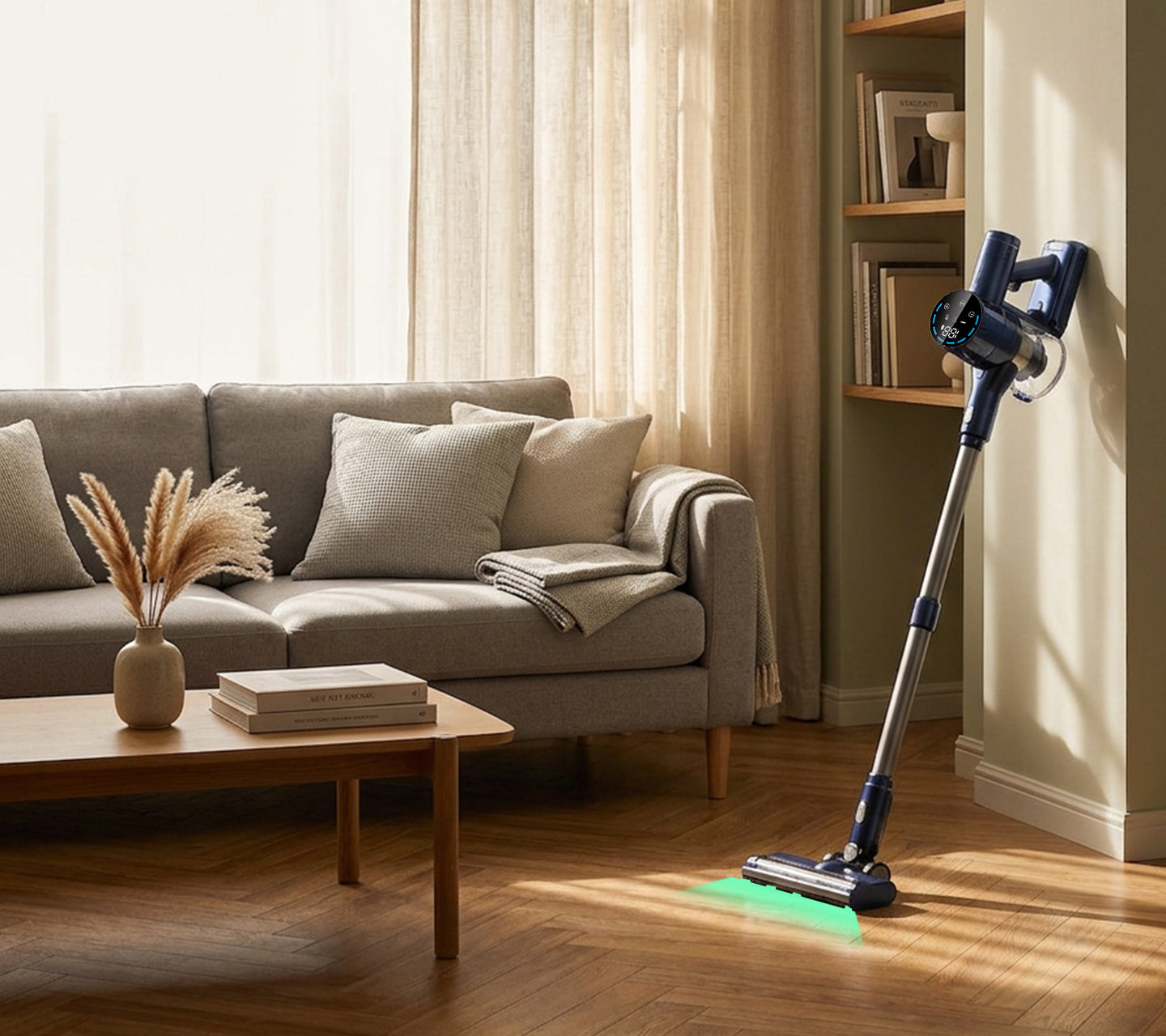
A lightweight cordless vacuum handles this kind of quick-pass cleaning far better than dragging out a full-size machine every other day. The Keplin 250W Cordless Vacuum Cleaner, 2 Speed is built for exactly this. Two speed modes, no cable to deal with, takes seconds to grab and go.
Homes with Pets: How Often to Vacuum Cat and Dog Hair

If you have a cat or dog, once a week is not enough. Pet hair embeds into carpet fibres and carries dander that triggers allergies even in people who don't think they're particularly sensitive. The practical target for pet households is every other day in the rooms where your animal spends time, and at least two to three times a week everywhere else. During shedding season, some owners find daily passes are the only thing that keeps on top of it.
For sofas, stairs and car seats, a handheld vacuum is very practical because it's quicker than setting up a full machine, especially for just a spot job. The Keplin Cordless Handheld Vacuum Cleaner, Wet & Dry handles dry hair and dust, runs quietly with a low decibel, and deals with wet spills too. Muddy paw print on the sofa cushion? Same machine.
Allergy Sufferers and Asthma: When Twice a Week Is the Minimum
If anyone in your household has asthma, hay fever or a dust mite sensitivity, how often you vacuum matters more than almost anything else in your cleaning routine. Dust mites thrive in carpets and mattresses. Mites' waste is one of the most common indoor allergens going.
Good rules to follow are:
- Vacuuming carpeted floors at least twice a week, with extra attention on bedrooms where most dust mite exposure happens during sleep.
- Vacuuming in the morning rather than the evening. It disturbs particles briefly before they resettle, and doing it early gives several hours for things to calm down before bed.

For allergy households, the Keplin 350W Cordless Vacuum Cleaner, 3 Speed is worth a proper look. Three suction modes up to 27KPA on max means you can go hard on carpets and upholstery where allergens sit, then dial back for lighter surfaces. The 60-minute battery covers a full house in one go. It holds a Good Housekeeping Award, recognised for performance and ease of use, which we're really proud of!
If filtration matters to your household, check the filter specification on your vacuum. Fine dust particles that pass through a standard filter are the ones that aggravate asthma most.
Carpets vs Hard Floors
Carpets trap grit between fibres and that grit breaks them down over time. Think of it as slow, invisible sandpaper. Weekly is your minimum; twice weekly for rooms that get heavy use.
Hard floors are more forgiving but less tolerant of grit left sitting on them. Small particles scratch wood and laminate if they're dragged around by feet long enough. A weekly vacuum followed by a damp mop when needed covers most homes.
One thing to get right: use the correct floor setting. High suction on bare wood can mark it, and an aggressive brush roll on the wrong setting pushes debris rather than lifting it. Both Keplin cordless models have adjustable settings for this. The 350W model also has a bendable wand that makes skirting boards and the gap under furniture much less of a mission.
Bedrooms: The Room That Generates More Dust
Bedrooms generate more dust than most people expect. Skin cells, fabric fibres and dust mite waste accumulate in carpets and on mattresses, and given you spend around a third of your life in there, it really adds up.
Weekly vacuuming of bedroom carpets and rugs suits most households. Twice weekly if allergies are a factor. The mattress itself benefits from a vacuum every month or two, which is a helpful way to keep allergies at bay. Bedside tables, charging cables and any electronics in the room are worth a monthly blast with the Keplin Compressed Air Duster Can, 400ml. Dust settles on surfaces overnight and electronics are usually the last thing people think to clean…
Stairs: The Hardest Surface to Vacuum and How to Make It Easier

Stairs collect hair, crumbs, dust and outdoor dirt from shoes every single day. They're also the hardest surface to reach with a full-size vacuum and can really give you a backache if you don't have the right tool to clean them.
A handheld or compact vacuum is what will get your stairs done regularly. Aim for once a week on carpeted stairs, longer on hardwood ones. The Keplin Handheld Vacuum Cleaner is compact enough to manoeuvre on narrow treads and around spindles, and 25 to 30 minutes of battery handles the job with time to spare.
Can You Vacuum Too Often?
Technically yes, but you'd have to work at it. Daily vacuuming won't damage modern carpets, and it won't harm hard floors if you're using the right setting. The health risk from under-vacuuming is far greater than the wear-and-tear from overdoing it.
The more realistic issue is that people assume vacuuming must be a big task. A five-minute daily pass of the hallway and kitchen with a cordless machine is often more effective than a weekly whole-house session, and far less painful to fit in. You just need the right vacuum cleaner to do it!
A Simple Vacuuming Schedule for Every Type of Home
|
Area |
Recommended frequency |
|
Hallways and entrance |
3 times per week |
|
Kitchen |
2 to 3 times per week |
|
Living room |
2 times a week |
|
Bedroom |
Once per week (twice for allergy households) |
|
Stairs |
Once per week |
|
Hard floors |
Every 10 to 14 days |
|
Mattress |
Once every 4 to 6 weeks |
|
Pet areas |
Every other day |
Which Keplin Vacuum Suits Your Cleaning Routine?
The right schedule only works if the vacuum makes it easy to stick to. A machine that lives at the back of a cupboard won't get grabbed for a quick daily pass. A cordless on charge in the hallway is a different story.
The Keplin 250W Cordless Vacuum, 2 Speed handles light daily maintenance and it has a wall-mount to make it easy to reach for. The Keplin 350W Cordless Vacuum, 3 Speed covers whole-home deep cleans with up to 60 minutes of runtime. For stairs, upholstery and spot jobs, the Cordless Handheld, Wet & Dry earns its place as a second machine. See the full Keplin vacuum cleaner range to find what works for your home.


