Free Standard Shipping
 Pay Later with Klarna
 30-Day Easy Returns
 Good Housekeeping Award Winner




The sun is out, the garden is calling and you've decided it's finally time to invest in something decent to sit in. But faced with the choice between a sun lounger and a zero g chair, many people find themselves stuck. They look similar at first glance, both recline, both promise relaxation and both tend to become the most fought-over seat at any garden gathering. So what actually sets them apart and which one is right for you? Spoiler alert: at Keplin, we design outdoor seating built for durability, comfort and real everyday use across gardens, patios and outdoor spaces.
What Is A Sun lounger?

A sun lounger, sometimes called a garden lounger or recliner lounger, is a long, flat seat designed to support the full length of your body. Think of the classic image: someone stretched out in the afternoon sun, a cold drink nearby, feet up, book in hand.
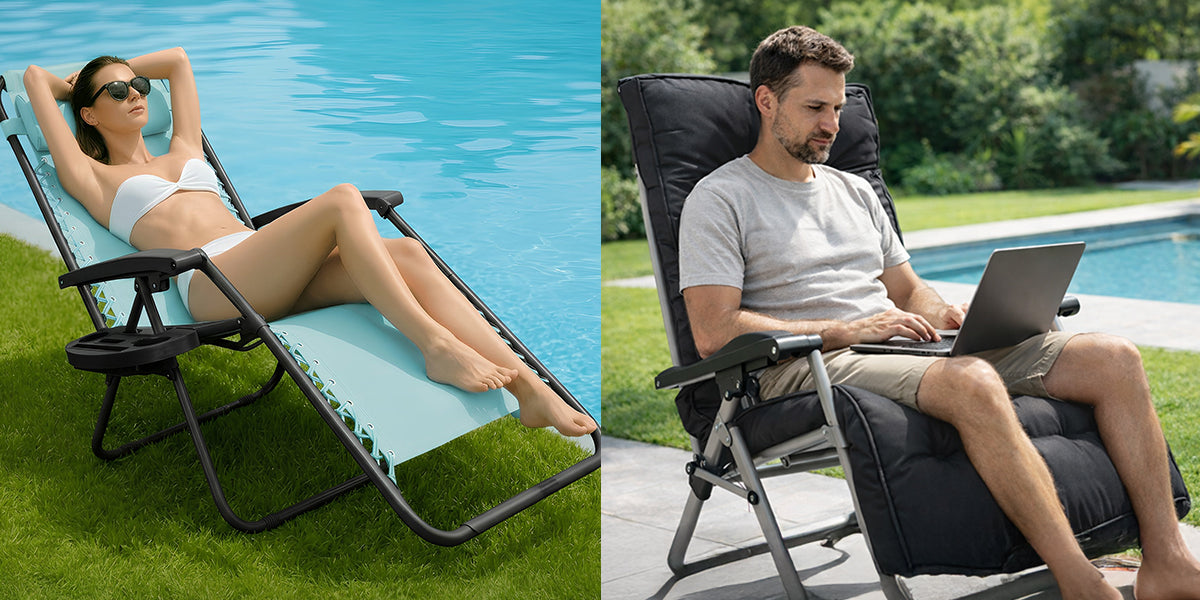
The defining feature is the elongated frame, which means you lie along the chair rather than sitting back into it. Most garden sun loungers offer adjustable recline positions, so you can prop yourself upright for reading or flatten out for an afternoon nap. A well-made foldable recliner sun lounger built from heavy-duty Oxford fabric over a sturdy steel frame will hold its shape session after session and fold flat when the weather turns.
Sun loungers are, at their core, designed for horizontal relaxation. The furniture equivalent of a proper lie-down.
What Is A Zero Gravity Chair?

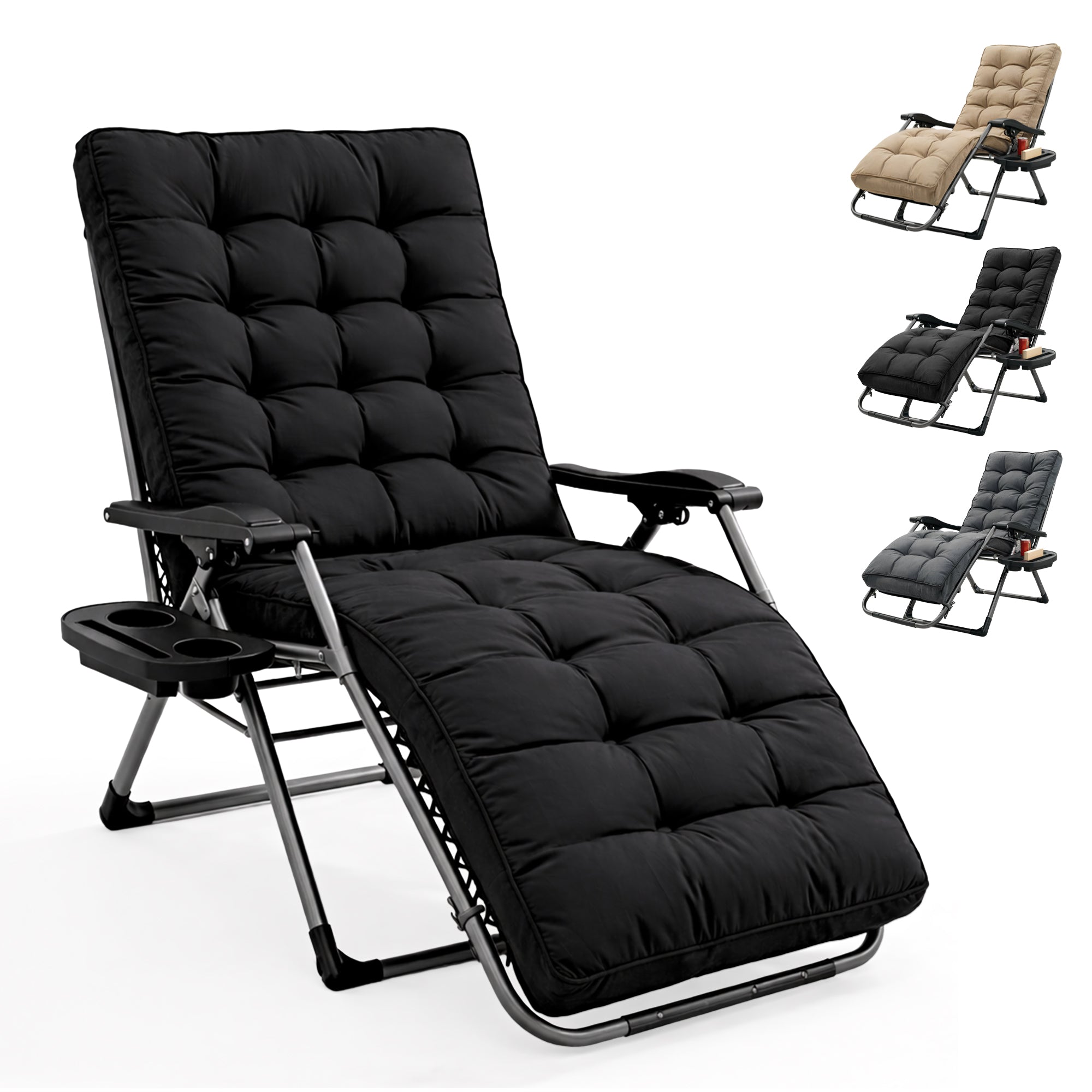
A gravity chair, also known as a zero g chair, no gravity chair, or anti-gravity chair, takes a different approach to outdoor comfort. Rather than laying you flat, it reclines you into a position where your legs are elevated to roughly the same level as your heart. The design is based on research into how astronauts sit during launch, when the body is positioned to distribute weight as evenly as possible and reduce strain on the spine.

In practice, what this means for the average person in their back garden is that sitting in a zero g chair feels genuinely weightless. The pressure that normally builds in your lower back when seated is spread across the whole body, which is why so many people find them noticeably more comfortable than a conventional chair after an extended stretch.
A well-designed zero gravity reclining chair uses breathable textilene mesh fabric and a lockable recline mechanism, so you can hold the position that suits you without constantly readjusting. For those who want a more generous feel, a padded zero gravity chair with an extra-wide seat and cushioned finish takes things a step further.
Key Differences Between Sun Loungers And Gravity Chairs
Understanding what sets these two apart comes down to a handful of practical points.
- Position and posture: A sun lounger lays you out horizontally. A gravity chair reclines you into that distinctive legs-up position. If you like to fully stretch out or fall asleep outdoors, the sun lounger will feel more natural. If you want to sit back, feel properly supported and avoid the slow sink of a conventional garden chair, the zero g chair tends to come out on top.
- Comfort over time: For shorter stretches, both are excellent. Over a long afternoon, many people find gravity chairs more comfortable for their back, specifically because of that weight-distribution effect. Sun loungers with thinner fabric can feel a little firm after a couple of hours, though a quality padded sun lounger built from durable material holds its own admirably.
- Footprint and storage: Garden sun loungers take up more floor space given their length. Both fold down, but gravity chairs tend to be slightly more compact when folded, which is a useful consideration if you have a smaller patio or balcony.
-
Versatility: Zero g chairs work just as well as garden chairs, festival seats, or camping companions. Because they fold and carry relatively easily, they sit as comfortably in an outdoor living space as they do in a boot full of camping kit. Sun loungers are more naturally associated with a fixed garden or poolside setting.
Sun Lounger vs Gravity Chair: Quick Comparison
|
Sun lounger |
Zero g chair |
Camping chair |
|
|
Position |
Flat / horizontal recline |
Legs elevated, spine decompressed |
Upright to semi-reclined |
|
Back support |
Moderate |
Excellent |
Moderate |
|
Best for |
Sunbathing, napping, poolside |
Long-term comfort, back relief |
Festivals, camping, garden events |
|
Portability |
Folds flat, bulkier to carry |
Folds compact, light enough to move |
Most portable, carry bag included |
|
Footprint |
Large, full body length |
Medium, shorter when upright |
Small, minimal floor space |
|
Storage |
Folds flat |
Compact fold |
Folds into carry bag |
|
Garden use |
Ideal |
Ideal |
Works well |
|
Camping / festivals |
Not practical |
Can work |
Designed for it |
|
Indoors |
Not suited |
Conservatory / living room |
Not suited |
|
Weather resistance |
Weather-resistant fabric |
Water-resistant textilene or padded |
Varies by model |
Which One Should You Buy?
The honest answer depends entirely on how and where you plan to use it.
Choose a sun lounger if you want something that functions like an outdoor bed. If the priority is stretching fully out, maximising sun exposure across the length of your body and perhaps dozing off on a summer afternoon, a reclining garden lounger is the natural fit. It is also the better option if you plan to keep it in a fixed spot, such as a garden, terrace, or poolside.
Choose a gravity chair if back comfort matters, or if you want something that works across different settings. A zero g chair suits people who find conventional seating uncomfortable after long periods, or who want the flexibility to use the same chair at home and away. The sensation of weightlessness is one of those things that is genuinely difficult to describe until you have tried it.
If you genuinely cannot decide, a sun lounger for long, lazy afternoons at home and a gravity chair for everything else is a pairing that covers all bases rather neatly. They are not mutually exclusive.
What About Camping Chairs?

If neither option quite fits the bill, it is worth knowing that the gap between a garden chair and a camping chair has narrowed considerably. The best camping chairs today are light enough for a festival but comfortable enough to sit in across a full afternoon.
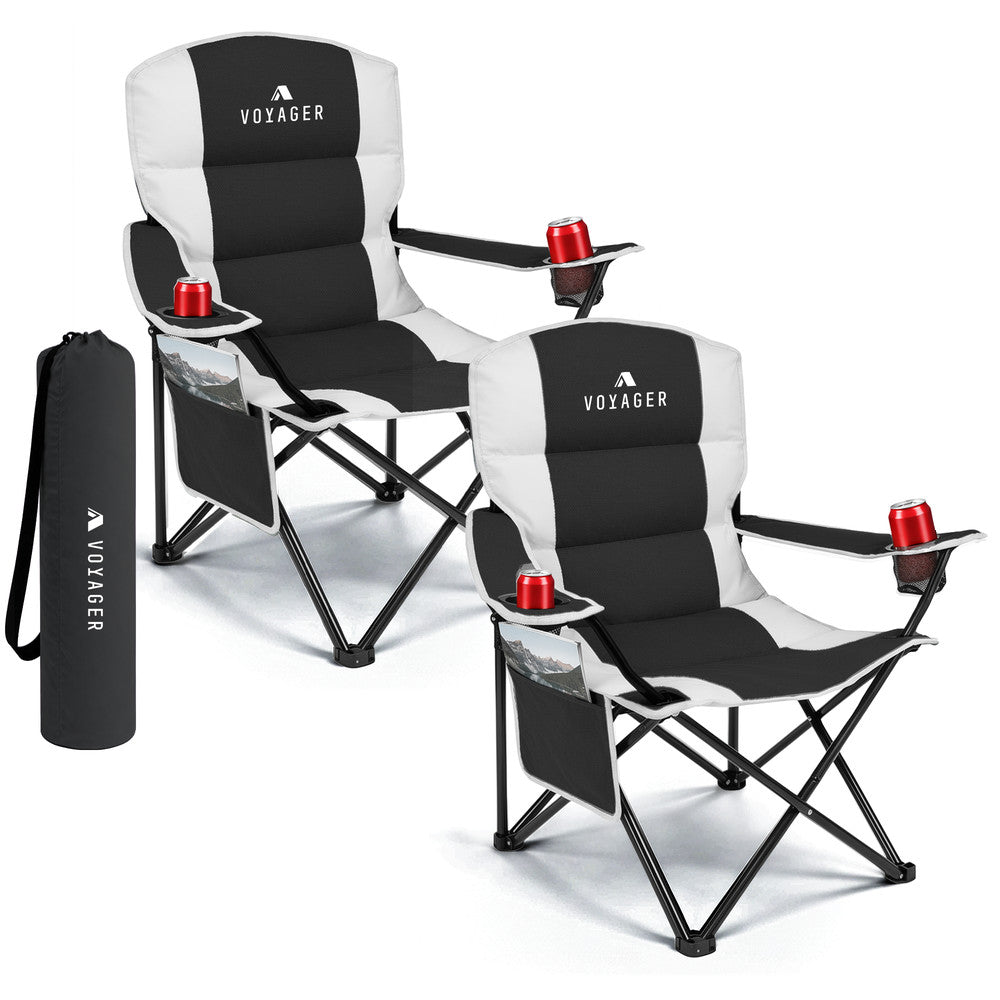
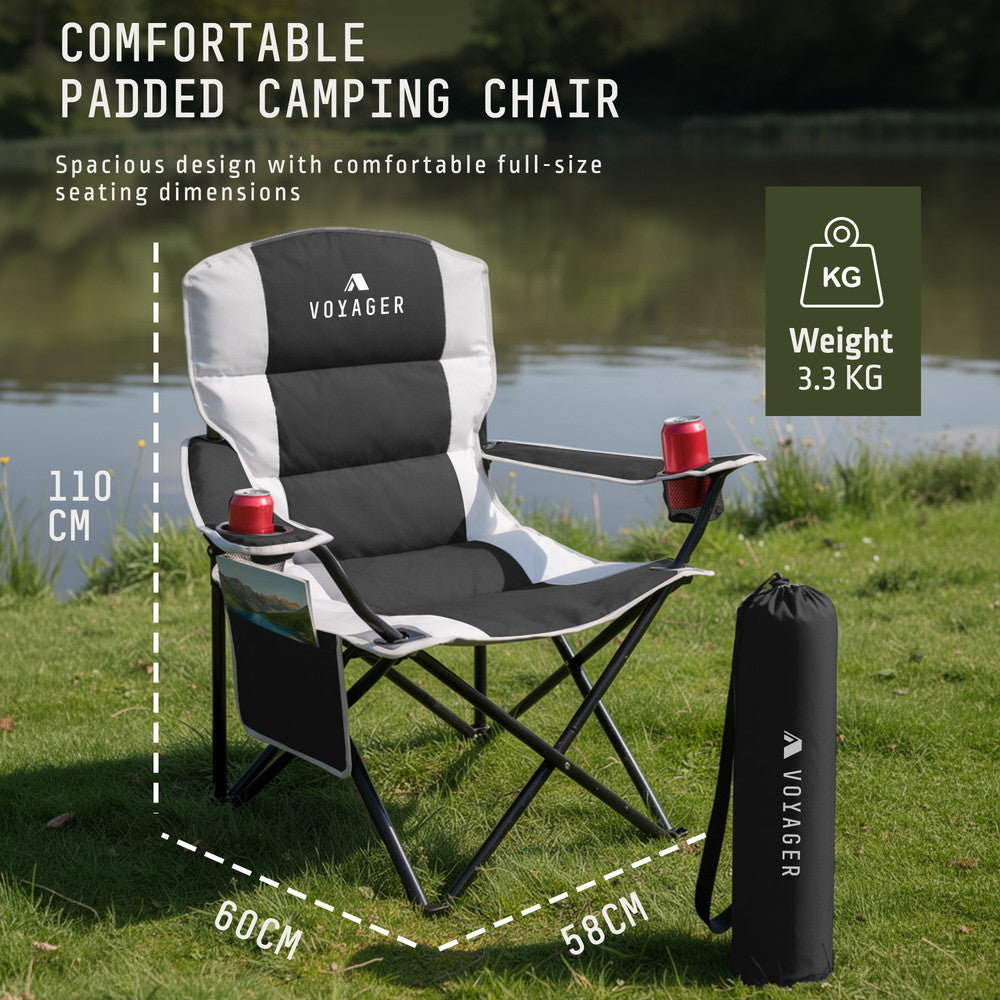
Padded camping chairs offer noticeably more support during long stretches, making them a popular choice for garden use as well as outdoor events. For those who want something with a bit more substance, luxury folding camping chairs bring a level of build quality that sits comfortably between a standard camping chair and a proper garden lounger, and Keplin's version supports up to 150kg.
Comfortable camping chairs with a built-in drinks holder and side pocket are a strong all-rounder for anyone who needs a seat that works equally well at a campsite and on a patio. For sociable occasions, folding chairs with cooler bag remove one of outdoor seating's most persistent inconveniences, which is having to get up every time you want a cold drink.
A Note On Build Quality
Whatever you choose, the details matter. A frame that feels solid when you first sit down might tell a different story after a summer of regular use. Look for powder-coated or rust-resistant steel, fabrics that handle both direct sun and the occasional shower and recline mechanisms that lock cleanly rather than drifting back under your weight.
British summers, wonderful as they are, are unpredictable. Your outdoor seating will need to cope with everything from a blazing July afternoon to a breezy September evening and ideally fold away without a wrestling match when the rain arrives.
In Summary
Sun loungers and gravity chairs both do their job well, but they serve slightly different purposes. If horizontal, full-body rest is what you are after, a garden sun lounger is hard to beat. If back support, versatility and that distinctive zero-gravity feel are more appealing, a zero g chair is likely the better choice. Browse the full range of camping chairs and find the one that suits how you like to spend your time outdoors.