 Free Standard Shipping
 Pay Later with Klarna
 30-Day Easy Returns
 Good Housekeeping Award Winner




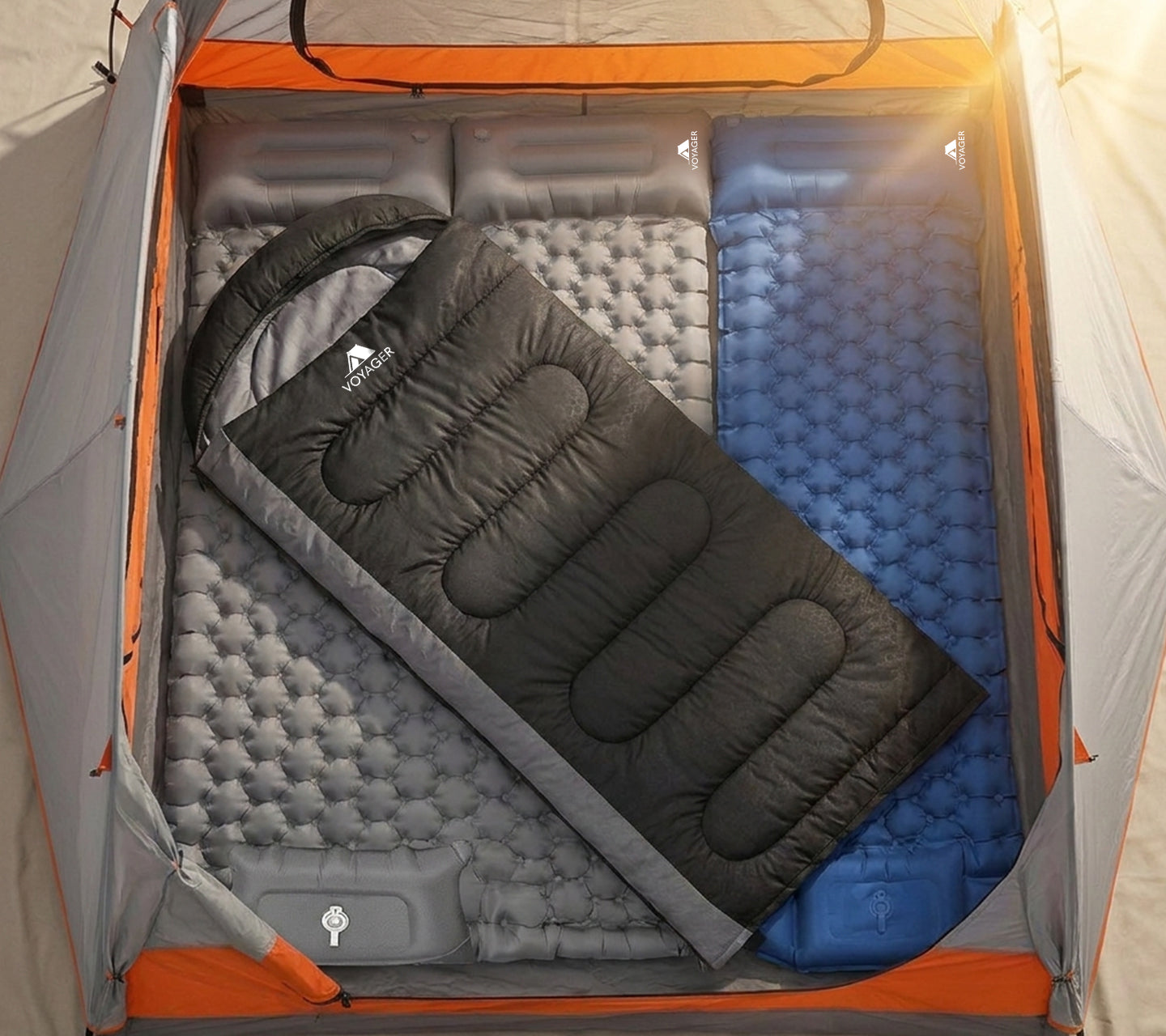
This is a big topic. You can ask any two campers this question and you'll get two very different answers. The sleeping pad vs air mattress debate rumbles on every summer, and honestly, both sides have a point. One packs down small and could help you snooze on a rocky pitch without complaint. The other feels like your bed at home, right up until 3am when you notice the cold creeping in from somewhere below you. Neither is universally "better". What matters is which one suits the camping you're doing, not the camping you wish you were doing. Here's how to figure it out.
What Is the Difference Between a Sleeping Pad and an Air Mattress?

A sleeping pad is a slim, lightweight mat, usually self-inflating, designed to sit between you and the ground inside a tent. An air mattress is a larger, thicker inflatable bed built to mimic the feel of a real mattress, usually inflated with a pump rather than by mouth (your lungs will thank you either way).
On paper they do the same job: keep you off the ground and reasonably comfortable. In practice, they're built for completely different trips. A sleeping pad is happiest strapped to a rucksack somewhere on a multi-day hike. An air mattress is usually in the boot of a car, five minutes from the tent it's about to live in for the weekend.
Comfort: It's Not as One-Sided as You'd Think
Air mattresses win the first impression easily. Thicker, softer and closer to your actual bed, they're the obvious choice if comfort is your only criteria. But "obvious" and "correct" aren't always the same thing, and camping has a habit of proving that the hard way.
Modern sleeping pads have caught up more than most people expect. A good inflatable pad with proper baffling supports your back and hips just as well as a basic air mattress, just in a much slimmer package. If you're a side sleeper or you've got a bad back, thickness matters more than the label on the box, so check the inflated depth rather than assuming "mattress" automatically means "comfortable" and "pad" automatically means "you'll cope".
Worth trying: the Keplin Inflatable Camping Sleeping Pad from the sleeping gear range inflates to a proper 9cm and comes with a built-in pillow, which does more for your comfort than most people give it credit for at 2am.
Insulation: The Factor Most Campers Forget Until They're Freezing
This is where the debate gets decided for a lot of campers, usually somewhere around 3am on their first cold night. Sleeping pads and air mattresses are both rated using an R-value, a measure of how well the material resists heat loss to the ground. Higher R-value, warmer night. Lower R-value, and you'll feel every degree the ground steals from you, sleeping bag or not.
Here's the twist nobody tells you at the shop: air mattresses aren't automatically warmer just because they're bigger. A large air mattress with no insulation layer can leave you colder than a proper insulated sleeping pad, because the air inside circulates and pulls warmth away from your body all night long, like a very slow, very patient thief. If you're camping outdoors where the temperature might drop, an insulated pad or a foam layer underneath your mattress isn't optional. It's the difference between sleeping and shivering until sunrise. And trekking a foam pad and an air mattress on your back all day? No fun.
Weight and Packability: No Contest for Backpackers

If you're walking any distance with your kit on your back, this section settles itself pretty quickly. Sleeping pads roll down small and weigh next to nothing by comparison. Air mattresses need a pump, take up serious boot space and are, frankly, not built to be carried further than the car park, let alone up a hill.
For car camping, weight barely matters, so this stops being a deciding factor the moment your vehicle is doing the heavy lifting instead of your shoulders. But if there's any walking involved between car and pitch, or your trip takes in more than one site, pack size adds up faster than you'd think.
Worth trying: if you're camping as a pair, the Keplin Inflatable Camping Sleeping Pad Double still packs down small enough to carry, without forcing you into two single pads pushed together and slowly drifting apart from each other during the night.
Durability: Punctures Happen to Both
Nobody wants to hear this, but both sleeping pads and air mattresses can be punctured, usually at the most inconvenient moment imaginable. Air mattresses tend to be more vulnerable simply because there's more surface area exposed to twigs, stones and overenthusiastic dogs who've decided your bed looks like a good place for a nap too. Foam pads sidestep the issue entirely since there's no air to lose, though they trade that peace of mind for a bulkier pack.
Keplin sleeping pads include a patch kit is cheap, so you won't have to face this particular problem. Clearing your pitch of sharp stones and sticks before you hammer in the first rust-free steel tent peg takes two minutes and saves a lot of grief later, whichever sleeping surface you're using.
What About Just Using a Sleeping Bag Without a Pad or Mattress?
Some campers skip the pad or mattress altogether and sleep straight on a bag laid over the groundsheet, usually in warm weather or on a particularly soft pitch. It's not the worst idea for one mild summer night in a well-cushioned spot, but it's worth knowing exactly what you're giving up before you try it.
Without a pad underneath, your sleeping bag's insulation gets compressed flat wherever your body weight presses down, which is exactly the part of the bag doing the most work. The result is a warm top half and a distinctly cold back, since the ground pulls heat away far faster than most people expect, even on a night that doesn't feel particularly chilly at first. Not a good time.
Which One Should You Buy? The Decision Made Simple
Honestly, it depends on the trip in front of you, not the trip you might take one day if you finally get round to that coastal hike.
Choose an air mattress if: you're car camping, have plenty of boot space or are prioritising a bed-like feel. Just budget for an insulation layer if there's any chance of a chilly night, because there usually is.
Choose a sleeping pad if: you're backpacking, hiking to your pitch, camping solo or as a pair, or heading somewhere the tent might get properly cold. Compact, insulated, no pump required.
What Else Belongs in Your Camping Sleep Setup

Whichever sleeping surface you land on, a few other bits make the difference between a good night and a rough one, and they're easy to overlook while you're deep in the pad-vs-mattress debate:
-
Sleeping bag: A proper sleeping bag rated for the season matters just as much as what's underneath you. Even the best insulated pad can't compensate for the wrong bag, a bit like buying an expensive mattress and skimping on the duvet.
-
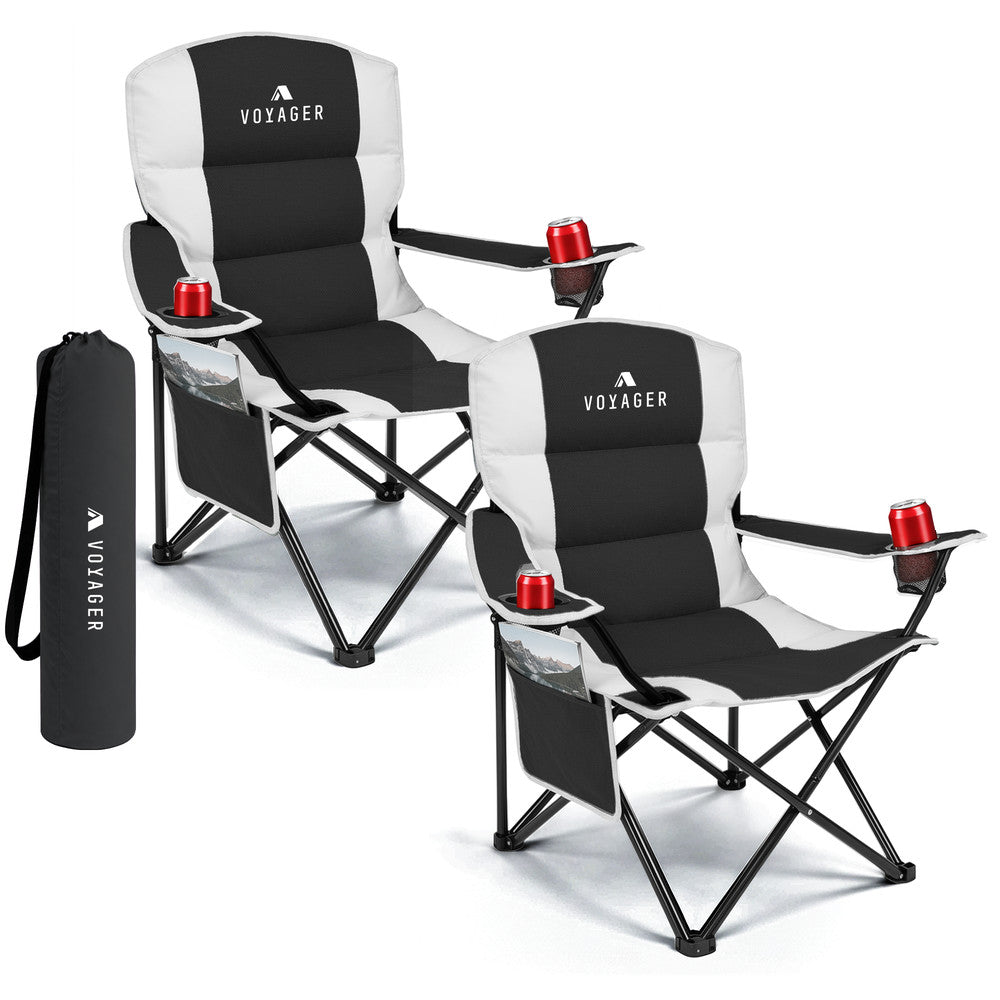
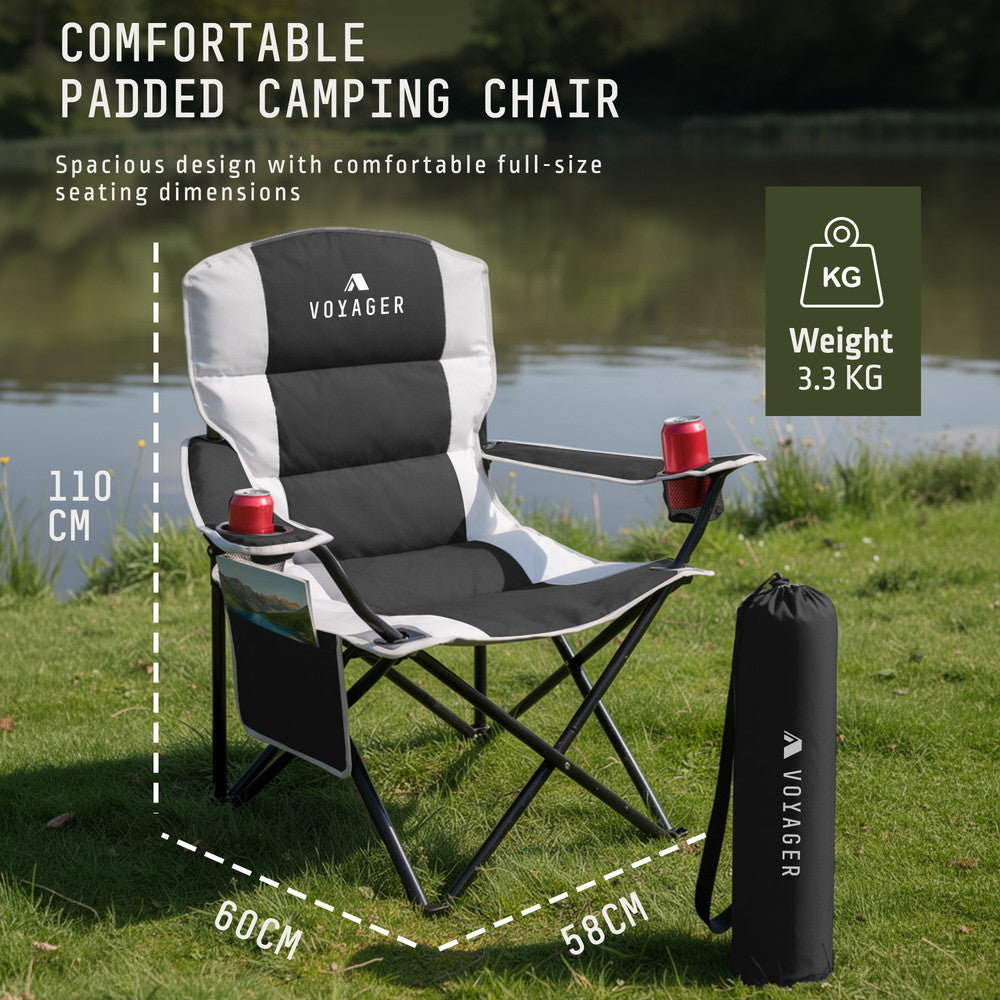
Somewhere to sit: A comfortable spot that isn't the ground helps more than people admit (especially if you're past 25). A set of padded camping chairs is a small luxury you should give yourself, especially when car camping.
-
A decent tent: None of this matters much without shelter over the top of it. A reliable 2 Man Camping Tent keeps the weather out while your pad or mattress quietly does the rest of the work underneath you.
Get those three sorted and the only thing left to worry about is what time you're putting the kettle on in the morning.
The Verdict: Sleeping Pad vs Air Mattress

For most campers, the sleeping pad is the better all-rounder. It's lighter, warmer for its size, and works whether you're walking to your pitch or driving straight to it, which is more than you can say for an air mattress once the terrain gets involved. Air mattresses still have their place if you're chasing that at-home bed feel and the car's doing all the carrying. Either way, we hope you have a lovely time in the great outdoors.


