Free Standard Shipping
 Pay Later with Klarna
 30-Day Easy Returns
 Good Housekeeping Award Winner




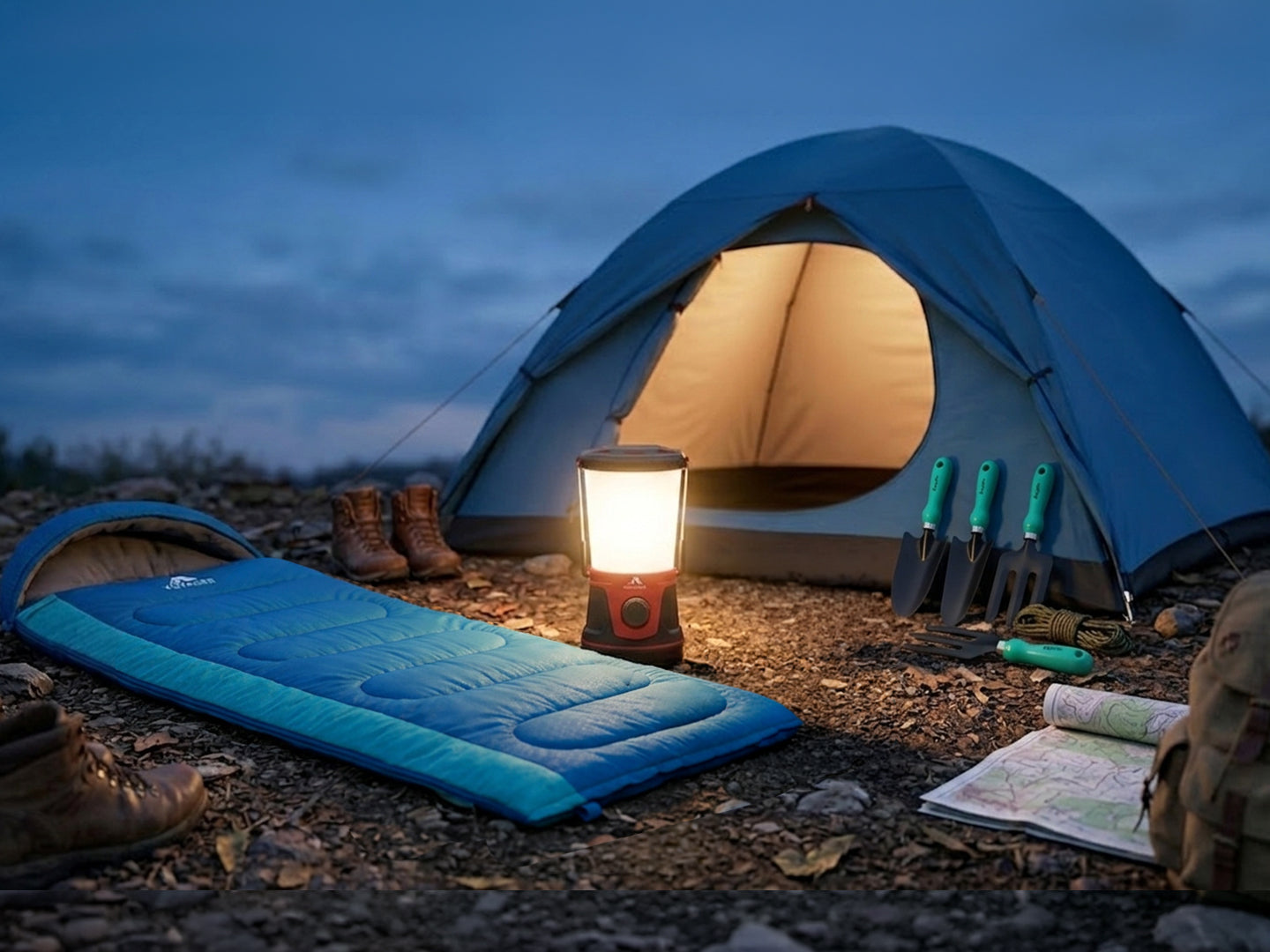
You've been thinking about it for a while and here you are, ready for your first camping trip. The idea of sleeping under the stars, leaves rustling overhead, waking up somewhere quiet and spending a couple of days away from the usual routine sounds like a dream come true. But ask anyone who has been camping a few times and they will tell you the same thing: what you pack makes or breaks the trip! Get your backpack and tent right and you'll spend the weekend relaxed and comfortable. Get it wrong and you'll spend it wet, cold and wondering where you left the torch.
In this guide, we'll cover the ultimate camping essentials for beginners. It's not an overwhelming list of every possible item, but the things that matter on a first trip, with some tried-and-true advice on how to approach each one. At Keplin, we try all our products before we sell them, so you know that you're investing in quality (and lots of future camping trips) when you choose us.
1. Pack Light: Start with a Good Backpack and Tent

The first rule of camping gear for beginners is this: keep it light. Every kilogram you add to your pack is a kilogram you'll have to carry to the pitch, around the campsite and back again. If you've ever seen the movie Wild where Reese Witherspoon struggle with her backpack aptly named 'Monster', you'll understand this issue in even greater measures. There's a trend for you: it seems that first-time campers almost always overpack. A useful exercise before you leave is to pick up your bag and ask yourself whether you could carry the thing comfortably for twenty minutes. If the answer is no, it's time to declutter.
Something to be aware of: your tent is the most important decision on your camping packing list. It is your shelter, your sleeping spot and your base. For a first trip, a 2 man tent is the sweet spot for one or two people. It is compact enough to carry without too much effort and gives you enough room to sleep comfortably with a bit of space for your kit (and a companion if you aren't going solo). The 2 Man Camping Tent is a solid choice for beginners. It's easy to pitch, handles the British weather reliably thanks to a light rain cover and packs down small enough to fit in or strap to most backpacks. Poles, pegs and a carry bag are included, which makes packing a breeze. Think about pitching your tent in an outdoor space before you go. Your first time shouldn't be on the actual campsite in fading light, so pitching in a friend's garden will solve that issue.
Packing tip: a compact sleeping mat, a microfibre towel, a small first aid kit and a reusable water bottle. None of these need to take up much space; the goal is to pack a bag you can move, not just deadlift.
2. Layers and a Sleeping Bag: How to Stay Warm on a UK Camping Trip

British weather is famously unpredictable. A warm afternoon can turn into a cold, damp evening with very little warning, especially if you are camping in spring or autumn. The golden rule is layers. A base layer, a mid-layer (fleece or lightweight down jacket) and a waterproof outer layer will cover you for most weather.
Nights can get quite cold - even in summer, temperatures can drop significantly once the sun goes down, particularly on higher ground. This is where your sleeping bag becomes one of the most important items on your camping essentials checklist. The Adult Sleeping Bag is designed for this. It is warm, lightweight and compressible, which means it packs down easily. That's a big plus when backpack space is expensive real estate! On especially cold nights, sleeping in a thin base layer adds extra insulation without needing a heavier bag.
Rolling tip: Roll your sleeping bag and clothes tightly rather than folding them. It saves more space than you'd expect and keeps everything compact enough to leave room for the rest of your stuff.
3. Keep the Light On: A Camping Lantern Makes Everything Better

Campsites are really dark. There are no street lights, no ambient glow from nearby buildings. It'll be just you, your tent and whatever light you have brought with you. In terms of camping lights, a head torch is useful for moving around hands-free, but for your actual living space, a camping lantern makes a far bigger difference than most campers expect. It's useful for inside the tent, around the picnic table and at the entrance. While you are sorting your kit, a camping lantern makes a far bigger difference than most first-time campers expect. It'll also give some good vibes to your campsite and that's key to wanting to camp again!
The LED Camping Lantern is bright enough to light up your entire tent and the area immediately outside it. It is compact, lightweight and far more useful than trying to manage with a phone torch, especially when you're trying to cook dinner. Hang your lantern on a nearby branch for an instant overhead light that makes evening camp life feel considerably more civilised.
First-timer tip: On your first night, set up your lantern before sunset so you know exactly where it is and how it works. Trust us, trying to pitch your tent in the dark is nobody's idea of a good time.
4. Food and Snacks: What to Bring Camping When You Do Not Want to Cook

Camping food does not need to be complicated (or flavourless). In fact, the simpler the better, especially on a first trip when you are already managing a lot of new things. The biggest mistake first-time campers make is either bringing cooked food that is too intricate to prepare outdoors or forgetting to think about storage and portability altogether.
Pre-made food is the way to go. Sandwiches, pasta salads, hard-boiled eggs and energy bars all travel well and require no cooking equipment. You can pack them in a soft-sided cool bag or a silicone food storage tray with lid that compress easily in a backpack. By the time you are ready to eat, your food can be eaten right away or if you're feeling confident, it can be reheated on a camp stove. This storage solution is lightweight, space-saving and far more practical than trying to pack full glass containers.
Snack tip: Bring more snacks than you think you'll need. Fresh air, walking and setting up camp burn more energy than a normal day at home, and it's no time to cut calories. Nobody has ever complained about having too many snacks on a camping trip, we promise.
5. Little Accessories That Make a Big Difference

The small things are what experienced campers talk about when they think about previous trips. Not the camping chair or the sleeping bag, those are expected. It's more about the little accessories that made life noticeably easier or more comfortable. A few good extras can really elevate a first camping trip, and you're likely to reuse them in the future as well. For example, you'll always need duct tape around the house anyway.
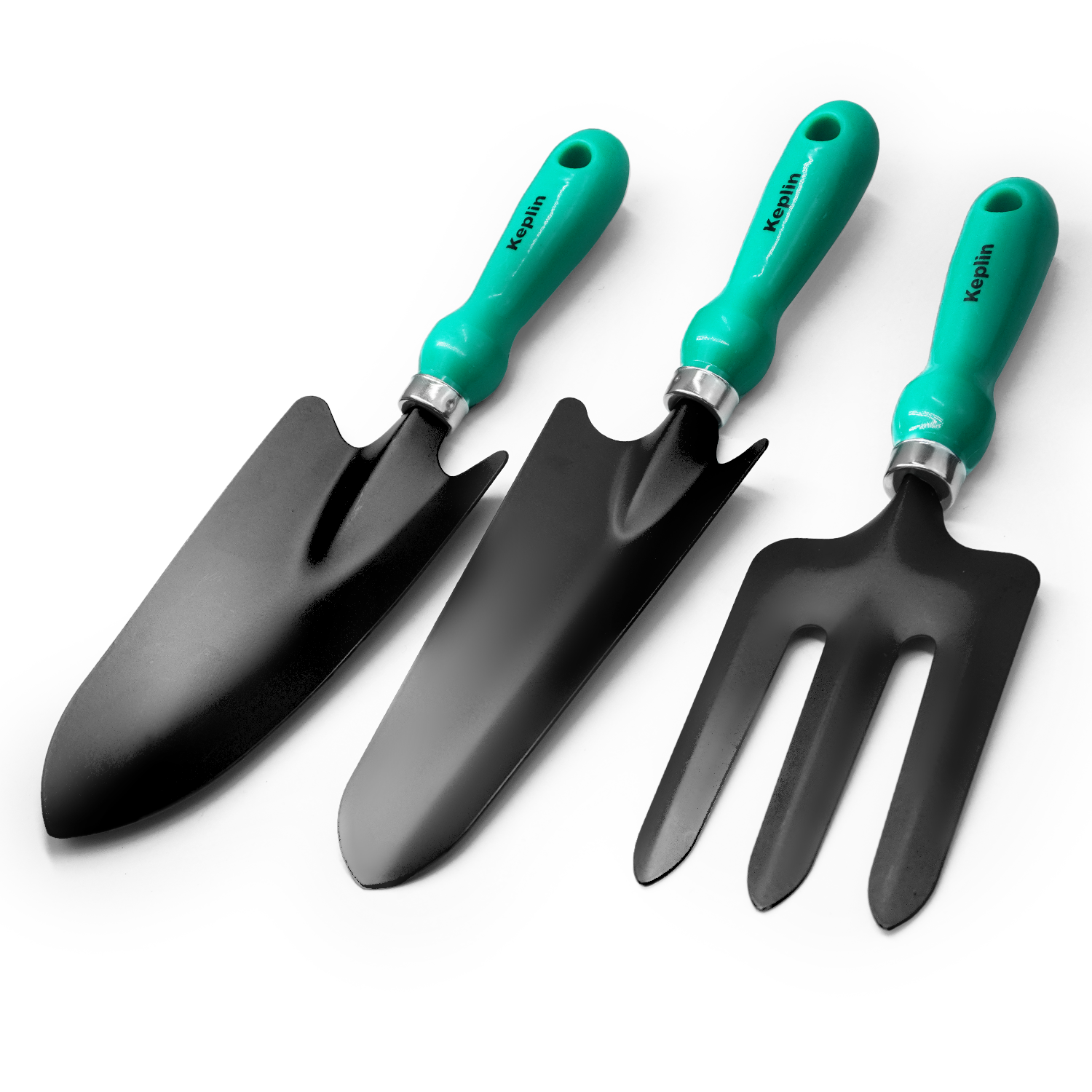
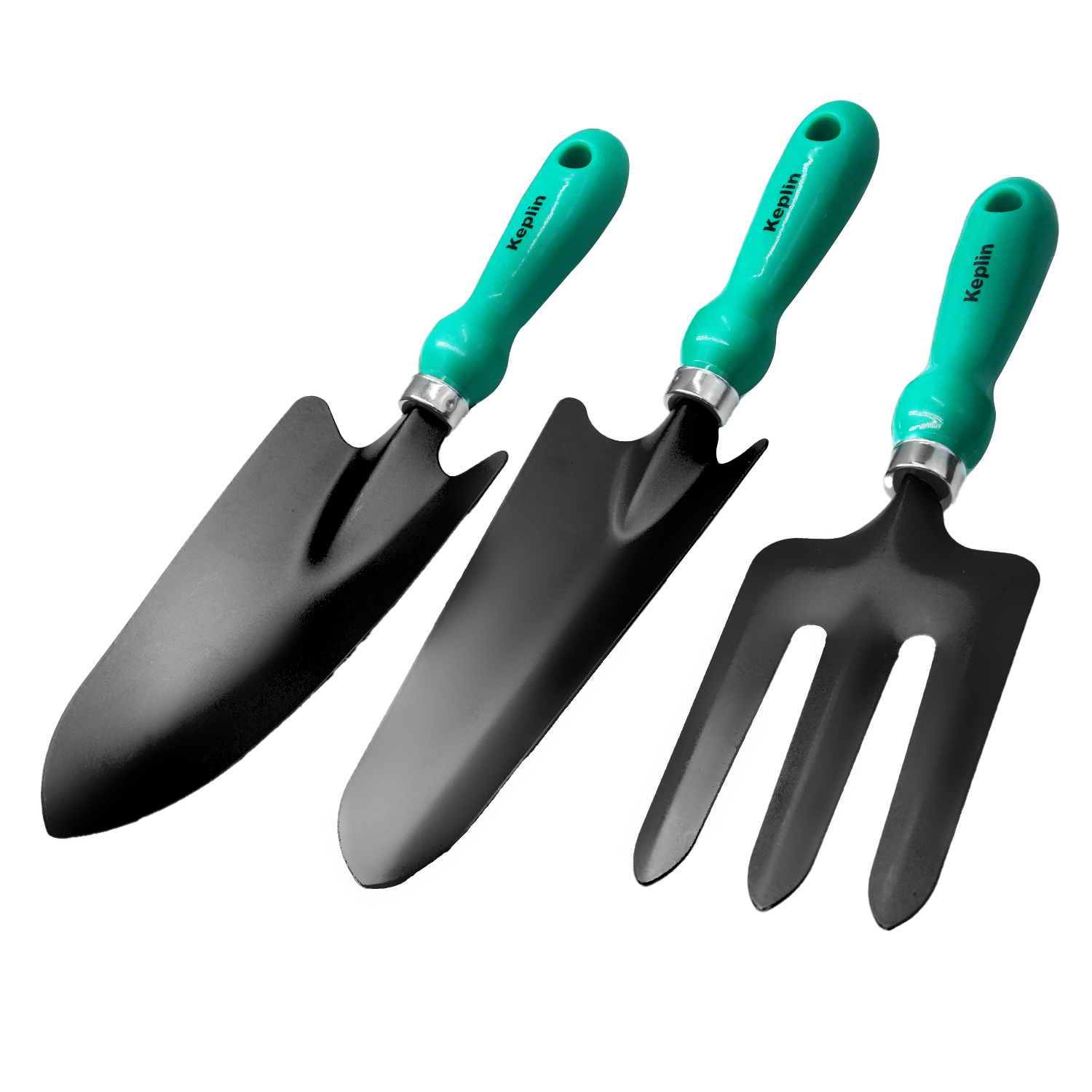
A basic garden tool set might not be the first thing that springs to mind as a camping essential, but it earns its place quickly. The Keplin 3-Piece Garden Tool Set includes a trowel which is extremely useful for driving tent pegs into tougher ground, clearing a pitching area and generally dealing with the practical realities of living outdoors (think about bathroom time). Compact, lightweight and the kind of thing you'll be glad you packed the moment you hit a patch of harder ground.
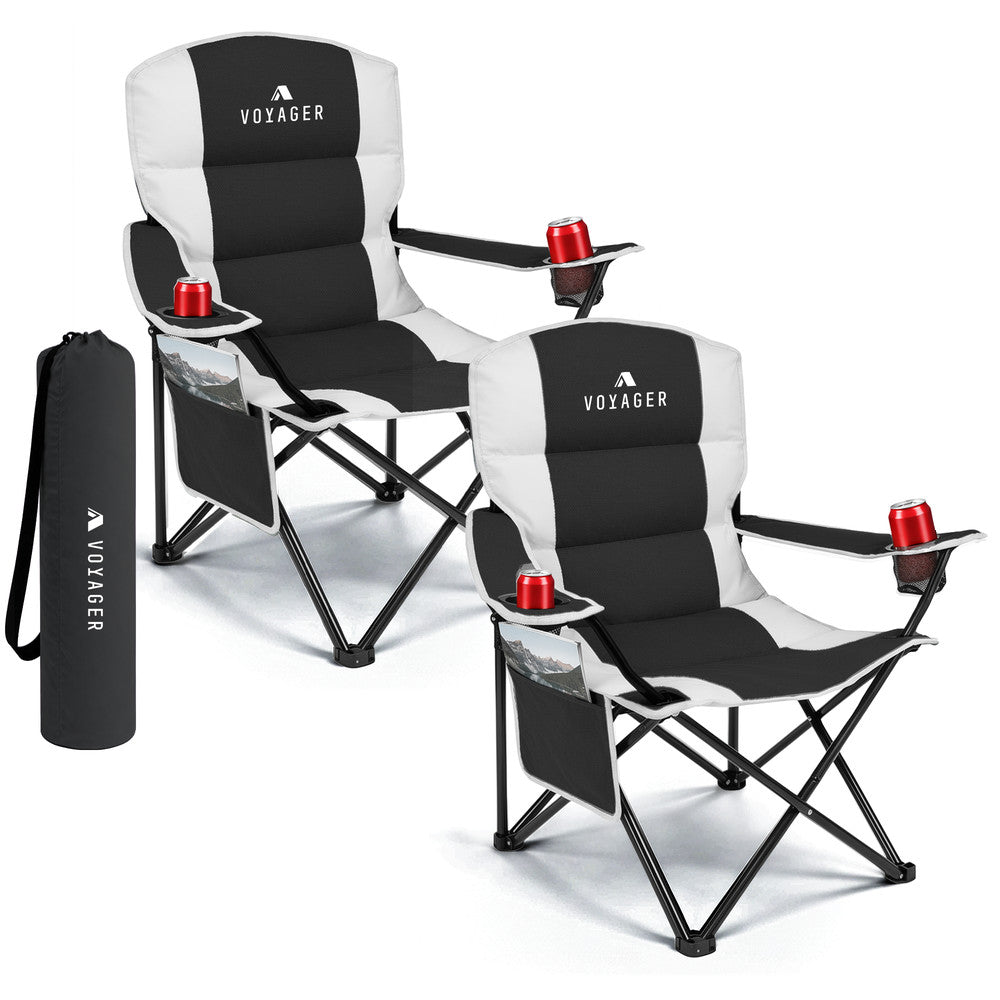
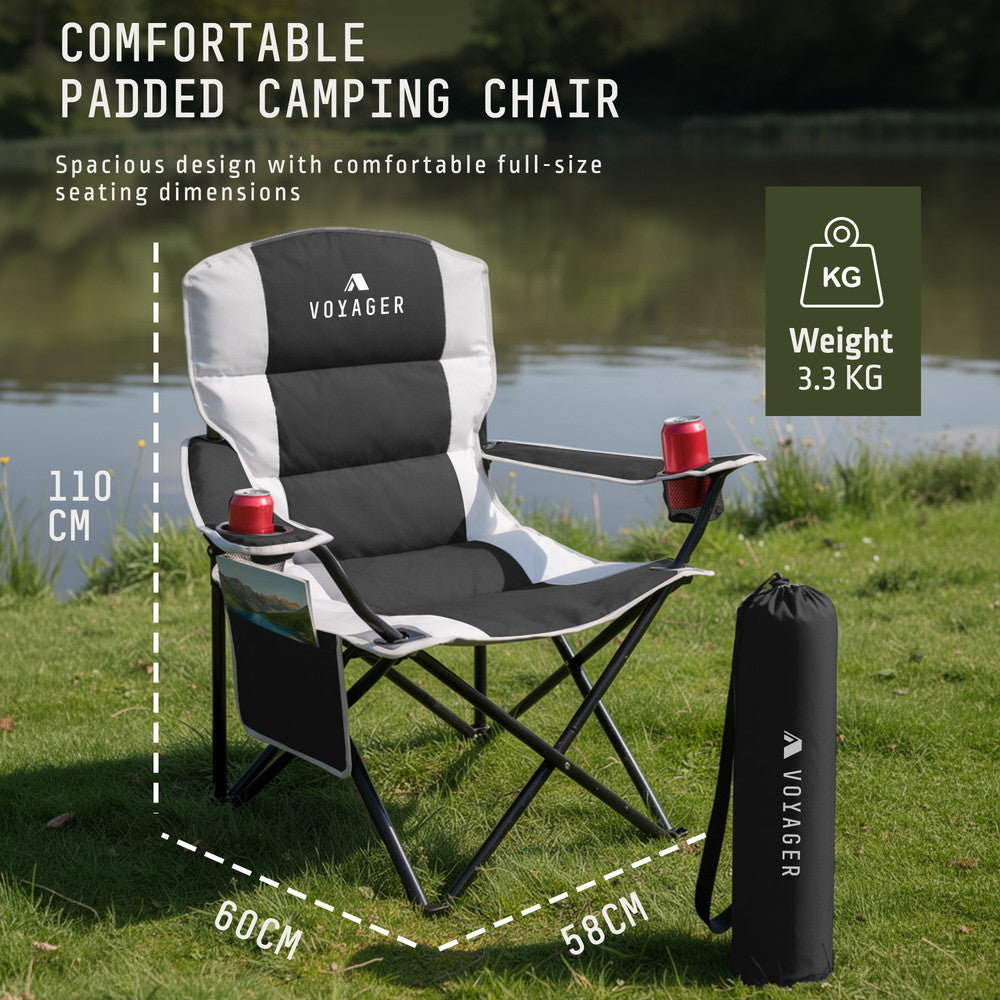
A lightweight folding camping chair takes up less space than you'd expect and makes evenings at the campsite considerably more comfortable. The Keplin camping chairs range has options that fold flat and strap to most backpacks
Beyond that, here are a few other small additions that can make a real difference on a first trip:
- Duct tape: Fixes everything from a torn tent seam to a broken zip. Pack a small roll just in case.
- Bin bags: Not cute, but essential. A few heavy-duty bin bags will help you keep your kit organised and your pitch tidy.
- Spare batteries or a small power bank: Your torch, lantern and phone all need power. A charging point may be hard to find in the middle of a forest, so think ahead!
- Wet wipes: When washing facilities are a five-minute walk away in the rain, wet wipes become a true treasure.
Before You Go: Run Through Your Kit Once
The single best thing you can do before your first camping trip is spend an afternoon running through your kit. Pitch the tent in a nearby outdoor space (or your garden), test the lantern and check that all your snacks are in your bag. It'll take less than an hour and will save you a lot of stress at the campsite.
Camping is one of those things that gets significantly better the more you do it. Your first trip is about learning what you actually need, what you can leave behind and what you will want to add next time. Keep it simple, pack light and focus on enjoying where you are. The rest will sort itself out or browse the full Keplin camping collection to refine your toolkit.